PhDwell
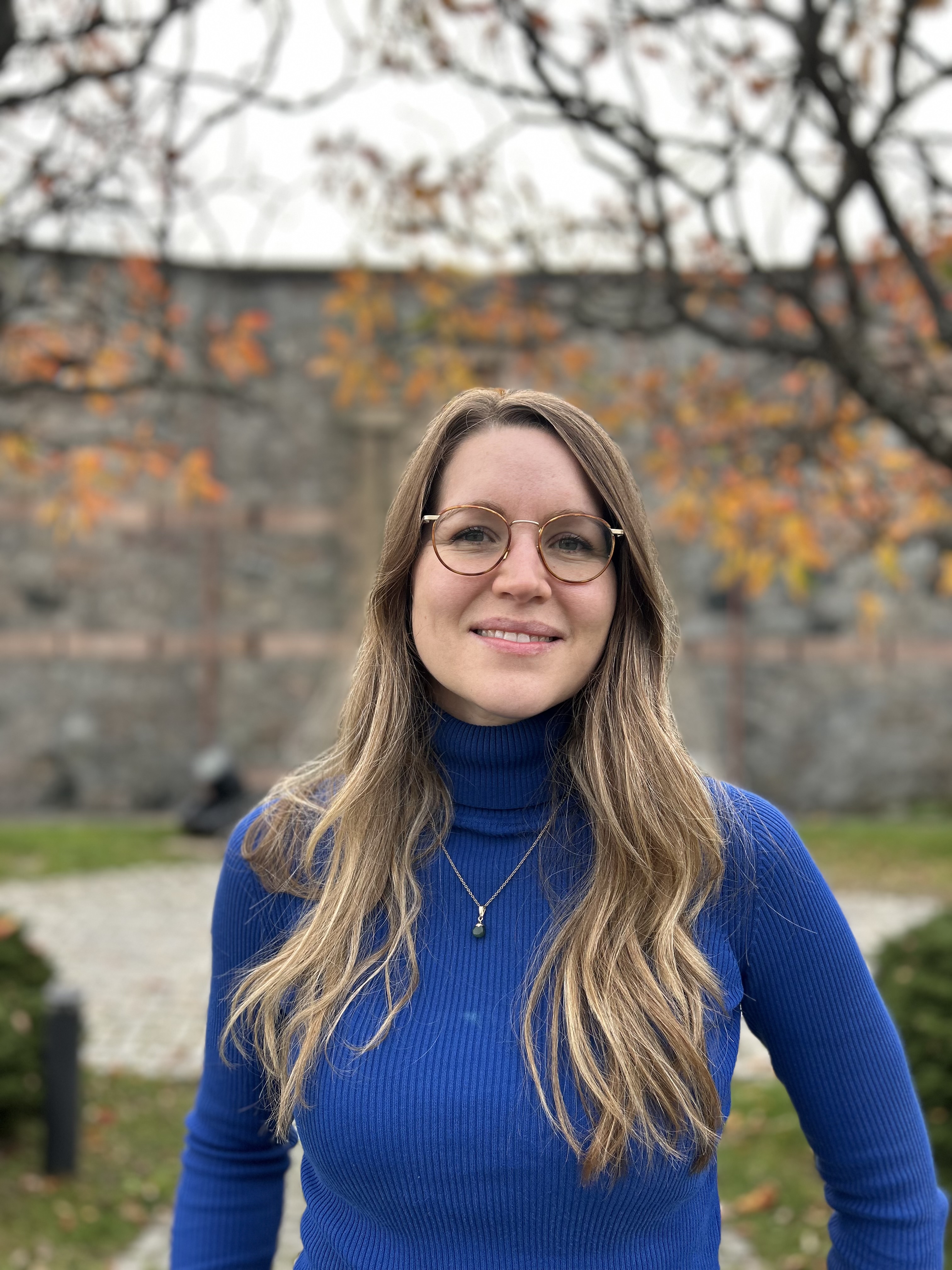
Justine by Justine Dickhoff, PhD

Hi, I'm so glad you're here.

My name is Justine. A few years ago I was exactly where you are today β€” a PhD student in Groningen, navigating all the challenges that come with it. I know the stress, the self-doubt, and the feeling that everyone else has it figured out except you.

I created this app to give you what I wish I'd had back then: simple and efficient tools to help you finish your PhD while actually enjoying the journey.

Because this is exactly what I would wish to have done more β€” just enjoy every step of this marathon. There will be an end, and it comes sooner than you think.

Β© Justine Dickhoff, 2026. All rights reserved.
Privacy Policy  Β·  Terms of Use
PhDwell
🌿 Today β€”
Β© Justine Dickhoff, 2026. All rights reserved
Guest mode
What's in Today?
😊 Morning check-in β€” log your mood, stress and energy to start the day 😴 Sleep β€” track how well you rested last night and how it shapes your mood, stress and energy πŸŽ“ Thesis intention β€” plan when and what you'll work on in your thesis today, one small step at a time πŸŒ™ Evening check-in β€” appears in the afternoon so you can reflect on your wins, gratitude and connection
🌿 "One step at a time"
How did this resonate with you today?
β˜…β˜… β˜…β˜…β˜…
Show this one more often
Why track this?
Your mood, stress, energy, sleep and social connection are deeply connected β€” bad sleep tends to spike stress, and feeling isolated often drags energy down. In the moment it's hard to see these patterns, but over a week they become visible. Taking 30 seconds to check in each morning builds a picture of your rhythms β€” so you can make better decisions about when to push, when to rest, and when to reach out.
Morning Check-In
How are you doing today?
Mood πŸ™‚
Bad5/10Good
Stress 😀
Not stressed5/10Very stressed
Energy πŸ™‚
Low5/10High
How did you sleep?
Your thesis today
one small intention β€” tap to open
β–Ό
Β© Justine Dickhoff, 2026. All rights reserved
πŸ“Š Week
What's in Week?
πŸ“ˆ Averages β€” your mood, stress and energy across the week at a glance 😴 Sleep & connection β€” how rest and social contact have shaped your week πŸ“Š Charts β€” visual trends so you can spot patterns over time πŸ† Wins β€” a collection of things that went well this week πŸŽ“ Thesis overview β€” track where you are on your PhD journey
No check-ins yet this week. Your first entry will appear here. Head to Today to get started 🌿
Β© Justine Dickhoff, 2026. All rights reserved
🎯 Focus
What's in Focus?
πŸ“ Tasks β€” plan your day and week with Eisenhower or Aims πŸ… Pomodoro β€” 25-minute focus sessions with a distraction pad 🎡 Music β€” your saved focus tracks by task type πŸ“‹ Meeting β€” prepare and structure your next meeting
25:00
πŸ”” Sound on
Focus for 25 minutes, rest for 5. After 4 sessions, take a longer break. One tomato at a time πŸ…
🧠 Justine's tip β€” Park your thoughts:
"When I started doing this, I noticed that almost everything I wanted to stop my work for was not actually urgent. My brain was just looking for an escape. Write distracting thoughts here instead of acting on them. After your session, look at the list β€” you will see that most things could wait. Over time, this really builds your focus muscle."
Two tools, same goal. Pick the one that works for your brain.
Not everything is equally important. Use this matrix to decide what actually needs your attention. Tasks that feel urgent are not always important β€” the most important work is often the least urgent.
Do First
Urgent + Important
e.g. Submit abstract, fix analysis error
Schedule
Important + Not urgent
e.g. Write chapter 2, read key papers
Delegate
Urgent + Not important
e.g. Reply to admin email, book room
Eliminate
Not urgent + Not important
e.g. Reorganise folders for the fifth time
To Sort
Most PhD progress happens in the Schedule quadrant β€” Important but not urgent. Protect that time.
10–30 minutes of preparation can make all the difference. You've got this.
New meeting
Past meetings
🎡 "Music can really make an impact on your focus. Sometimes you have to try a few things to find your beat β€” but when you do, it is a game changer." β€” Justine Β· the two tracks below are her personal picks for deep work
Β© Justine Dickhoff, 2026. All rights reserved
🌱 Wellbeing
What's in Wellbeing?
🫁 Breathe β€” guided breathing exercises for stress and calm πŸ’› Impostor β€” tools to work through self-doubt and build confidence πŸ“– Resources β€” apps and links for your mental health
🌱
Seedling
0 breathing sessions completed
Before a supervisor meeting
Box breathing β€” inhale 4, hold 4, exhale 4, hold 4. Supervisor meetings can feel high-stakes. Two minutes of box breathing will calm your nervous system before you walk in.
2 minutes
When you're stuck
Long exhale β€” inhale 4, exhale 8. Stuck for more than an hour? Your brain is full. This breathing pattern activates your rest response and helps you think more clearly.
3 minutes
End of day wind-down
Slow rhythmic β€” inhale 5, exhale 7. Transitioning out of work mode is one of the hardest things about a PhD. This helps your mind close the day.
4 minutes
Almost every PhD student feels like an impostor at some point β€” and I can tell you from personal experience that I felt this way at many points in my own life and PhD journey.

What really helped me was writing down everything I had already achieved. When I did, I realised I was not doing too badly at all. And I can assure you: doing this more and more often will genuinely change the way you think. Once you start truly believing that you are doing a good job β€” and you are β€” everything starts to feel a little lighter.
My achievements
Look how far you've already come
Evidence I belong here
Your reasons, in your own words
A letter from someone who believes in you
Words to come back to
Books
Β© Justine Dickhoff, 2026. All rights reserved
πŸ“ Groningen
A PhD can feel lonely. But Groningen has a lot to offer β€” here are some ways to connect and get support.
Social & community
These are some great ways to meet people who are also open to new connections.
πŸ—“οΈ Meetup.com β€” social events 🎨 USVA β€” drawing, improv, music courses πŸ—£οΈ Language exchange groups β€” great if you're new to the city
As a PhD student it can be hard to meet people outside of your department. The activities above are specifically good because they are regular, they require you to show up consistently, and they naturally create bonds over time. Board game nights, sports clubs and language exchanges are especially good for this.
Β© Justine Dickhoff, 2026. All rights reserved
πŸ—ΊοΈ Journey
Plan your PhD in one place. Fill in your PhD period, then add your Big Stones β€” papers, chapters, your defence, or any major goal. Each stone appears as a bar on the timeline. You can drag a bar to shift its dates, or drag the right edge to change the deadline. Use the ✏️ button on a stone to edit it, and the status buttons to track where things stand.
πŸ“… Your PhD period
Timeline
Drag a bar to move it Β· drag the right edge to resize
Your Big Stones
Β© Justine Dickhoff, 2026. All rights reserved
🌱
Breathe in
1